PFAS-Free vs Traditional Greaseproof Paper: What Food Packaging Buyers Need to Know
Introduction
Food packaging plays a critical role in protecting products, maintaining freshness, and enhancing customer experience. Among the many packaging materials available, greaseproof paper remains a popular choice for oily and fatty foods.
However, buyers today face an important decision: should they choose traditional greaseproof paper or switch to PFAS-free greaseproof paper?
This guide explores the key differences to help food packaging buyers make informed decisions.
Understanding Traditional Greaseproof Paper
For many years, some grease-resistant papers achieved their performance through fluorinated chemical treatments. These treatments created highly effective barriers against oil and grease penetration.
While effective, concerns have emerged regarding the environmental persistence and potential health impacts of PFAS chemicals, prompting increased regulatory scrutiny worldwide.
What Makes PFAS-Free Greaseproof Paper Different?
PFAS-free greaseproof paper delivers grease resistance without using intentionally added fluorinated substances.
Manufacturers achieve this through:
Advanced paper engineering
Specialized non-fluorinated coatings
Optimized fiber structures
Sustainable barrier technologies
The result is a packaging material that offers strong performance while aligning with modern sustainability goals.
Key Comparison
Food Safety
Traditional Greaseproof Paper
PFAS-Free Greaseproof Paper
Environmental Impact
Traditional Greaseproof Paper
PFAS-Free Greaseproof Paper
Regulatory Readiness
Traditional Greaseproof Paper
PFAS-Free Greaseproof Paper
Brand Sustainability Goals
Traditional Greaseproof Paper
PFAS-Free Greaseproof Paper
Industries Driving Adoption
Several industries are rapidly adopting PFAS-free packaging solutions:
Fast Food Chains
Major restaurant brands are actively transitioning toward fluorine-free food packaging to meet sustainability commitments and consumer expectations.
Bakeries and Cafés
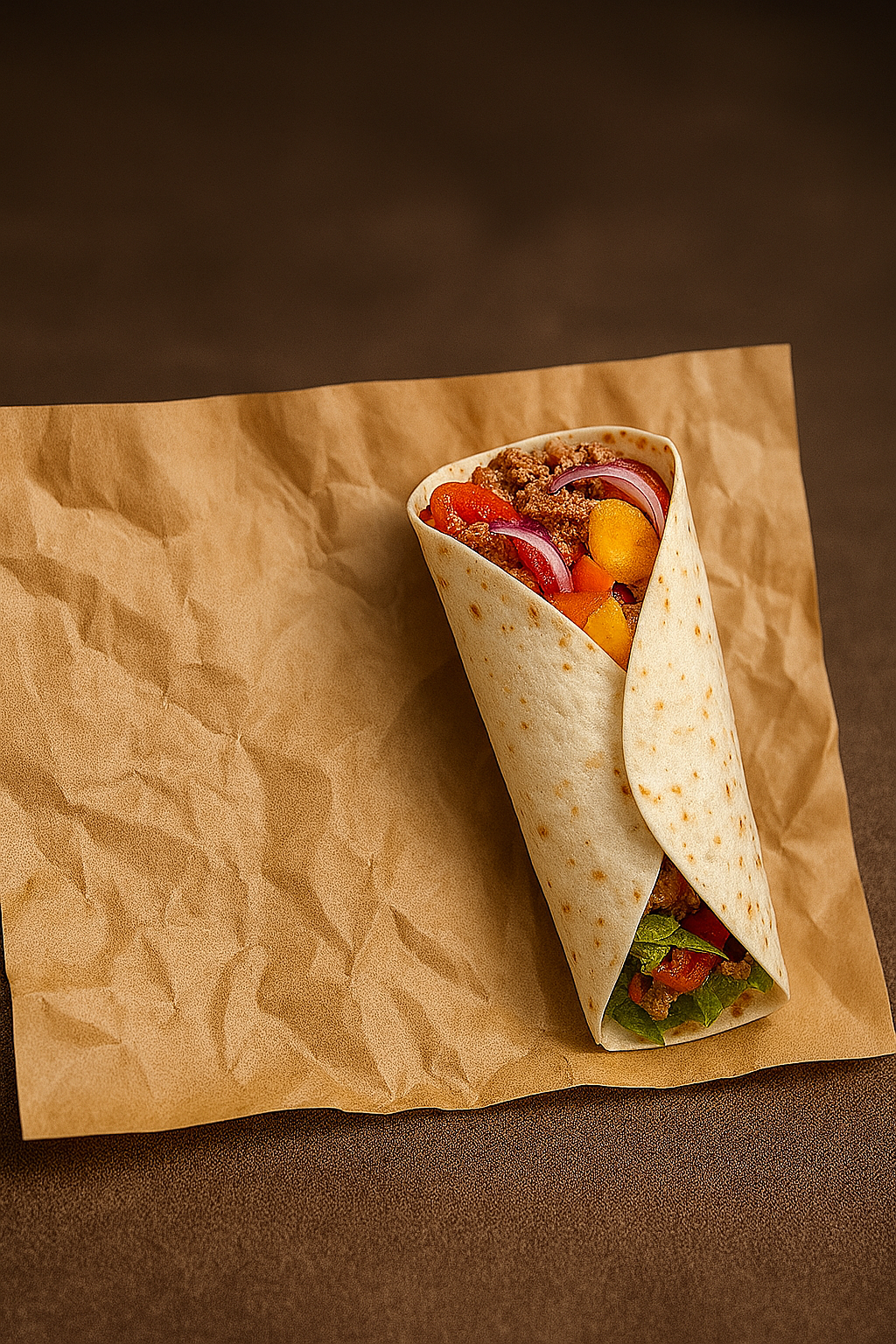
Greaseproof paper is widely used for pastries, cookies, croissants, and sandwiches. PFAS-free alternatives provide excellent performance while supporting eco-friendly branding.
Retail Food Packaging
Supermarkets and food retailers are increasingly demanding packaging materials that comply with stricter environmental standards.
Questions Buyers Should Ask Suppliers
Before placing an order, buyers should ask:
Is the paper certified PFAS-free?
What grease resistance level does it achieve?
Is it recyclable or compostable?
Can it be custom printed?
What food-contact certifications are available?
Does it comply with regulations in my target market?
Reliable suppliers should provide transparent technical documentation and testing reports.
The Future of Food Packaging
The global packaging industry is moving toward safer, more sustainable materials. PFAS-free greaseproof paper represents an important step in this transition, helping businesses balance performance, compliance, and environmental responsibility.
Companies that adopt fluorine-free packaging solutions today can strengthen their market position and meet growing consumer expectations.
Final Thoughts
PFAS-free greaseproof paper is no longer just an emerging trend—it is becoming a new industry standard. For food packaging buyers seeking long-term compliance, sustainability, and customer trust, fluorine-free solutions offer a compelling path forward.
As regulations continue to evolve, choosing PFAS-free greaseproof paper is an investment in both business resilience and environmental stewardship.





.jpg)