Is Wax Paper Eco-Friendly? Understanding Its Sustainability in Modern Packaging
As businesses and consumers become increasingly focused on sustainability, packaging choices play a critical role in reducing environmental impact. Many companies in the food service, bakery, retail, and packaging industries are exploring alternatives to plastic packaging and asking an important question:
Is wax paper eco-friendly?
The answer depends on the type of wax coating, manufacturing process, and disposal method. In this article, we'll explore the environmental characteristics of wax paper and why it remains a popular packaging solution for many businesses worldwide.
What Is Wax Paper Made Of?
Wax paper is produced by applying a thin layer of wax to a paper substrate. The wax coating creates a moisture-resistant and grease-resistant barrier that helps protect products during storage and transportation.
Common wax coatings include:
The paper base itself is typically sourced from wood pulp and can often be manufactured using responsibly managed forestry resources.
Why Businesses Consider Wax Paper an Eco-Friendly Packaging Option
Reduced Plastic Usage
One of the primary environmental benefits of wax paper is its ability to replace certain single-use plastic packaging materials.
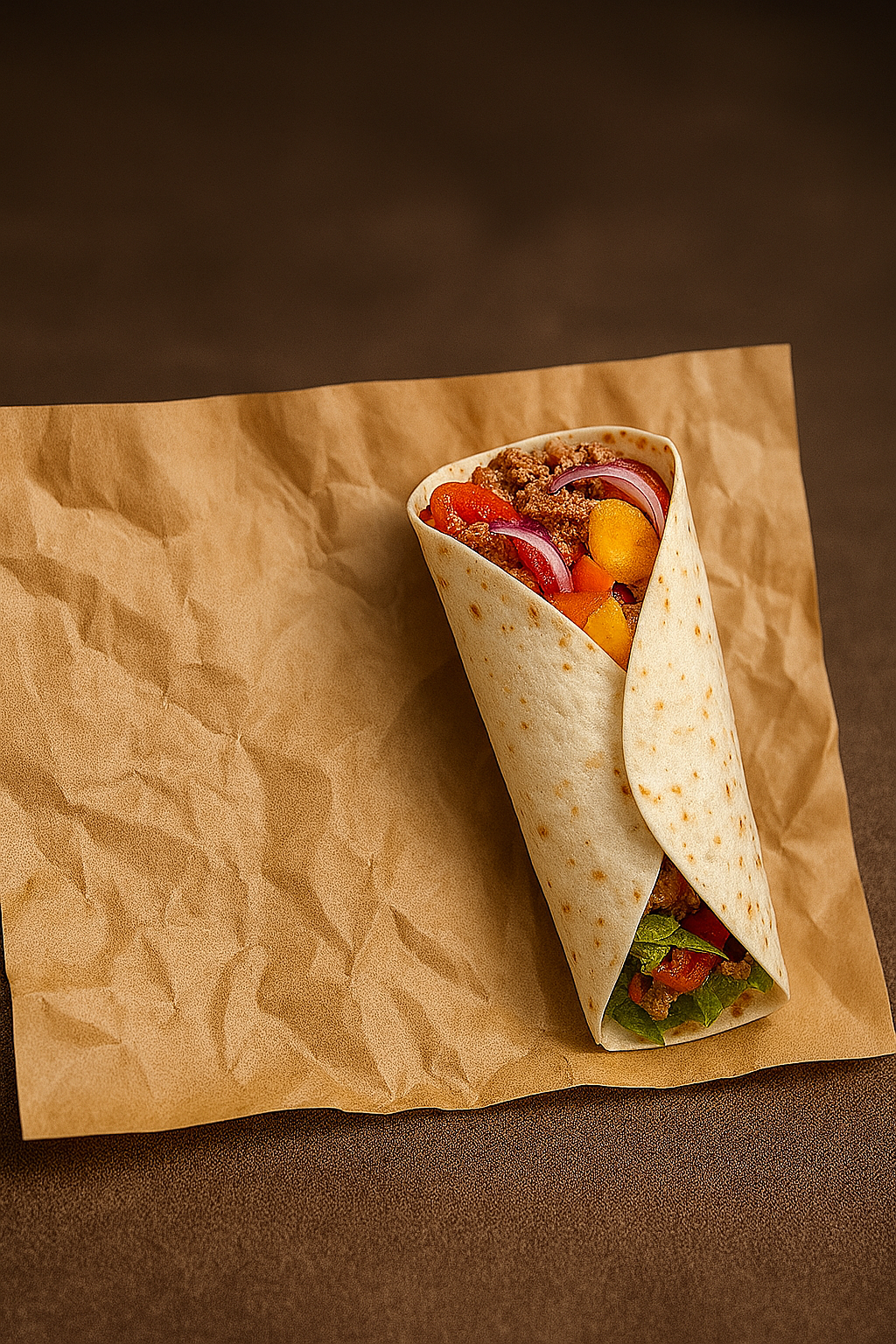
Many restaurants, bakeries, and food brands use wax paper instead of plastic wraps, liners, or bags for products such as:
Sandwiches
Burgers
Pastries
Cookies
Deli foods
By reducing plastic consumption, businesses can lower their overall packaging footprint and support sustainability initiatives.
Lower Material Consumption
Wax paper is lightweight yet effective. Compared to some multi-layer plastic packaging solutions, it often requires less material while still providing adequate protection against grease and moisture.
This can help reduce transportation emissions and overall resource consumption throughout the supply chain.
Renewable Paper Base
The paper component of wax paper is derived from renewable natural resources. When sourced from responsibly managed forests, paper-based packaging contributes to a more sustainable packaging cycle compared to petroleum-based materials.
Many manufacturers today offer paper sourced from certified forestry programs, helping businesses meet their environmental commitments.
Is Wax Paper Biodegradable?
The paper portion of wax paper is biodegradable under normal environmental conditions.
However, biodegradability depends largely on the type and amount of wax coating used.
Wax papers coated with natural waxes or plant-based waxes generally break down more easily than those coated with synthetic materials. Environmental conditions such as moisture, temperature, and microbial activity also influence decomposition rates.
For businesses seeking greener packaging options, plant-based wax coatings may provide additional sustainability advantages.
Can Wax Paper Be Recycled?
Recycling wax paper can be challenging because the wax coating is bonded to the paper fibers.
In most municipal recycling systems, heavily wax-coated paper is not accepted because the coating can interfere with the paper recycling process.
For this reason, businesses should always check local recycling guidelines before disposal.
While wax paper may not always be recyclable, it can still offer environmental benefits by reducing plastic use and utilizing renewable paper resources.
Wax Paper vs Plastic Packaging
When comparing wax paper to traditional plastic packaging, several sustainability advantages become clear:
| Feature | Wax Paper | Plastic Packaging |
|---|
| Renewable Raw Materials | Yes | No |
| Plastic-Free Option | Yes | No |
| Biodegradable Potential | Partial to High | Very Limited |
| Grease Resistance | Excellent | Excellent |
| Brand Customization | Excellent | Excellent |
For many food packaging applications, wax paper provides an effective balance between functionality, presentation, and environmental responsibility.
Sustainable Trends in Wax Paper Manufacturing
As demand for eco-friendly packaging continues to grow, manufacturers are investing in more sustainable production methods, including:
Plant-based wax coatings
Reduced chemical usage
FSC-certified paper sources
Lower-carbon manufacturing processes
Improved waste reduction systems
These innovations are helping businesses achieve their sustainability goals while maintaining packaging performance.
Choosing the Right Wax Paper for Your Brand
Not all wax paper products are the same. Businesses looking for environmentally conscious packaging should consider:
Food-grade safety compliance
Paper sourcing certifications
Wax coating composition
Printing inks and production methods
End-of-life disposal options
Working with an experienced packaging supplier can help ensure that packaging solutions align with both product requirements and sustainability objectives.
How Kawa Package Supports Sustainable Packaging
At Kawa Package, we understand that modern brands are looking for packaging solutions that balance performance, presentation, and environmental responsibility.
Our wax paper products are designed to provide:
Reliable grease and moisture resistance
High-quality custom printing
Flexible packaging solutions
Responsible material sourcing
Packaging options tailored to customer sustainability goals
We work closely with food brands, bakeries, restaurants, retailers, and distributors worldwide to develop packaging solutions that support both business growth and environmental awareness.
Conclusion
So, is wax paper eco-friendly?
While the answer depends on the specific materials and disposal methods involved, wax paper can be a more sustainable alternative to many plastic-based packaging options. Its renewable paper base, reduced plastic content, and growing availability of plant-based wax coatings make it an attractive choice for businesses seeking environmentally responsible packaging solutions.
As sustainability continues to shape purchasing decisions around the world, wax paper remains a practical and versatile packaging material that helps brands move toward a greener future.





.jpg)